Travel Insurance
The step that keeps the party going.
Nobody's ever rung us up excited about travel insurance, and we get it. Think of it this way: insurance is like bringing your mum away, when you're not bringing your mum away. Simple.
We'll point you through to New Zealand Travel Brokers, who look after the insurance side. We don't advise on it, we don't rank it and we don't decide what suits you, so have a read of the wording and pick what you're comfortable with. It'll take you a lot less time than choosing the flights did.
Part big brother, part mum
Think of it less as another line on the invoice and more as the person who notices you've walked off without your jacket. One of them knows who to ring when it all turns to custard at two in the morning, and the other would quite like you to write a few boring details down before you leave rather than after. That's the whole idea of it: do the dull bits early, at home, while you've still got the kettle on and a decent phone signal, and the fun bits get to stay fun.
Someone who knows the phone numbers
The worst time to work out who to ring is when you're standing in a hospital corridor somewhere, trying to make sense of the signs in a language you don't have, at an hour when everyone at home is asleep. Travel policies usually come with an emergency assistance number, and it takes about a minute to put it in your phone before you fly. Nobody's ever regretted doing that.
The boring bit, done early
Now the mum part, and you knew it was coming. Read the wording before you go rather than after, and be straight with the insurer about the knee, the heart condition, the tablets you've been on so long you've stopped thinking of them as medication. Pre-existing conditions are usually something an insurer wants to hear about up front, and it's the sort of thing that's far easier to work through at your own kitchen table than halfway through a trip.
You saved three years for this
You booked the flights, counted down the months and told everyone at work about it, and none of that was so the whole trip could hang on one wet Tuesday. That's really all this is for. It's the unglamorous step that keeps the party going, and it's what people have cover for in the first place — the wording is where you'll find what any particular policy actually does when a day goes wrong.
Do that bit early, and you can go back to arguing about who's driving to the airport.
The things that actually happen
Nobody books a trip imagining any of this, and fair enough, because the whole point of going is the good part. But every trip meets the real world sooner or later. So here are a few of the ordinary situations people find themselves in, told the way they happen.
When the weather has other ideas
A cyclone shuts an airport for two days, or fog sits over the runway all morning until the schedule quietly falls apart, and suddenly the connection you had is gone and so is the one after it. With a group it's worse. Twelve people rebooking is twelve times the puzzle, and the hotels and transfers all sit downstream of a flight nobody controls. It's the sort of mess people take out travel insurance for, and what any particular policy makes of a week of cancelled flights is set out in its wording.
Getting sick a long way from home
Nobody tells this story at dinner parties, and it's probably still the main reason people bother with cover at all. You come off a kerb in Nadi the wrong way and a wrist gives out, or the cough you've had since day three turns into something a doctor wants to look at properly, and before you've quite caught up you're in an unfamiliar system, working out who to ring. That's the moment people have cover for, and what any particular policy does about it is a question for its wording.
The call that comes from home
Sometimes the thing that ends a trip isn't on the trip at all. Your father goes into hospital, or your sister rings and you can tell from the first word that you need to be home, and whether you're four days into a cruise or halfway across Europe, you're going. Getting home at no notice is expensive and complicated, and it's one of the main reasons people would rather have something arranged long before the phone ever rings than be sorting it out on the night.
Bags, cameras and the hotel pool
Your bag and you don't always arrive on the same day, and you tend to find that out at the carousel at eleven at night, watching everyone else's come round twice. Then there's the camera that meets a footpath, the phone that takes an unscheduled swim in the hotel pool, and the ski gear that walks off the rack outside the cafe while you're inside having the best coffee of the trip. None of it's the end of the world, and that's rather the point: this is the ordinary, unglamorous stuff people arrange cover for, and how any particular policy treats a phone at the bottom of a pool is spelled out in its wording.
The trip you don't get to take
Here's the one nobody thinks about while they're booking: the trip that falls over weeks before the suitcases come out. Sometimes it's a knee that goes in a game of touch. Sometimes it's a routine appointment that turns into a surgery date, and the flights and hotels you paid for months ago are still sitting there, dated and non-refundable, while you deal with something far more important. Finding that out is grim, and it's why people often sort their cover out when they book rather than in the week they pack, though what any particular policy does from that point is for its wording to say and not for us.
None of this is meant to put a dampener on things. It's the opposite, really, because the people who've had one of these afternoons are usually the first to bring it up when they book the next trip.
Five kinds of trip, five different conversations
A fortnight lying about in Rarotonga and a week on a ship in the middle of the Pacific aren't the same trip, and they don't raise the same questions either. Neither is much like sending a sales team off to a conference, or chasing a dated event halfway across the world. So when insurance comes up, what we're really asking is what sort of trip you're on.

The islands, and the art of doing nothing
Fiji, Rarotonga, Samoa, Vanuatu — a fortnight where the biggest decision of the day is where lunch is happening. It's the gentlest trip there is, which is exactly why nobody's thinking about what happens if someone gets crook. A clinic on a small island does a fine job of what it does, but it isn't the hospital down the road from your place, and distance changes what a small problem turns into. It's the kind of situation people have travel insurance for in the first place, and what any particular policy actually does about it is set out in its wording.

Two days from anywhere
There's a particular feeling on day three of a cruise when you realise the nearest anything is a very long way behind you. That's the charm of it, and it's also why a cruise tends to get treated as its own thing rather than quietly folded in with the rest of the trip. Out there the ship is the town, the hospital and the airport all at once, and that's simply a different question from a fortnight in Fiji.

Snow, bikes and everything with a throttle
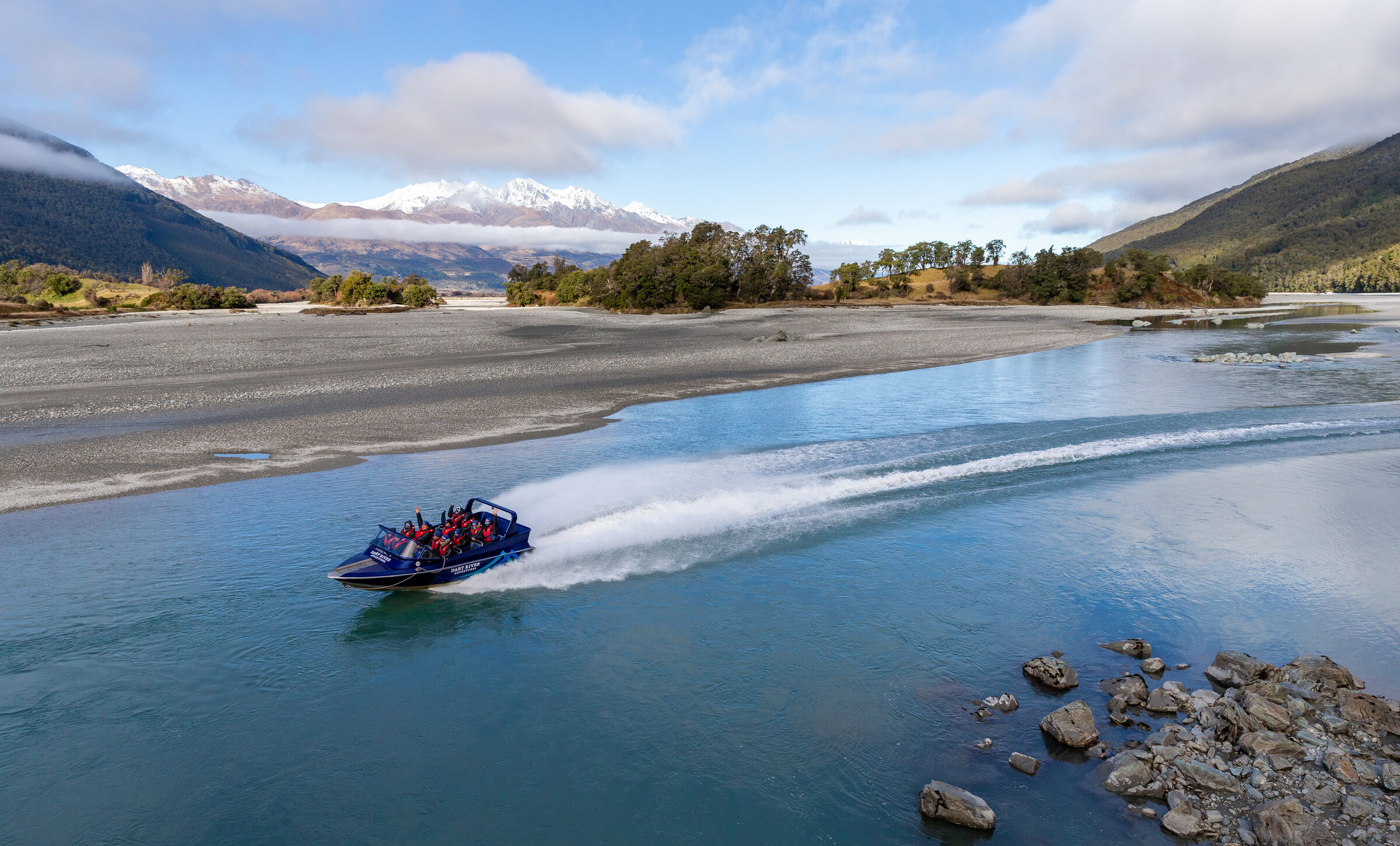
Half the best days of your life happen at speed, whether that's a week on the snow, a motorbike tour through somewhere with better roads than ours, or a jet boat you'll still be talking about at Christmas. Things like that usually get looked at on their own rather than taken as read, so if there's a bike hire in Vietnam or a fortnight on the mountain in the plan, say it out loud early rather than leaving it as a surprise. It's a much better conversation before you go than after, and how any particular policy handles that sort of thing is set out in its wording.
Sending the team away
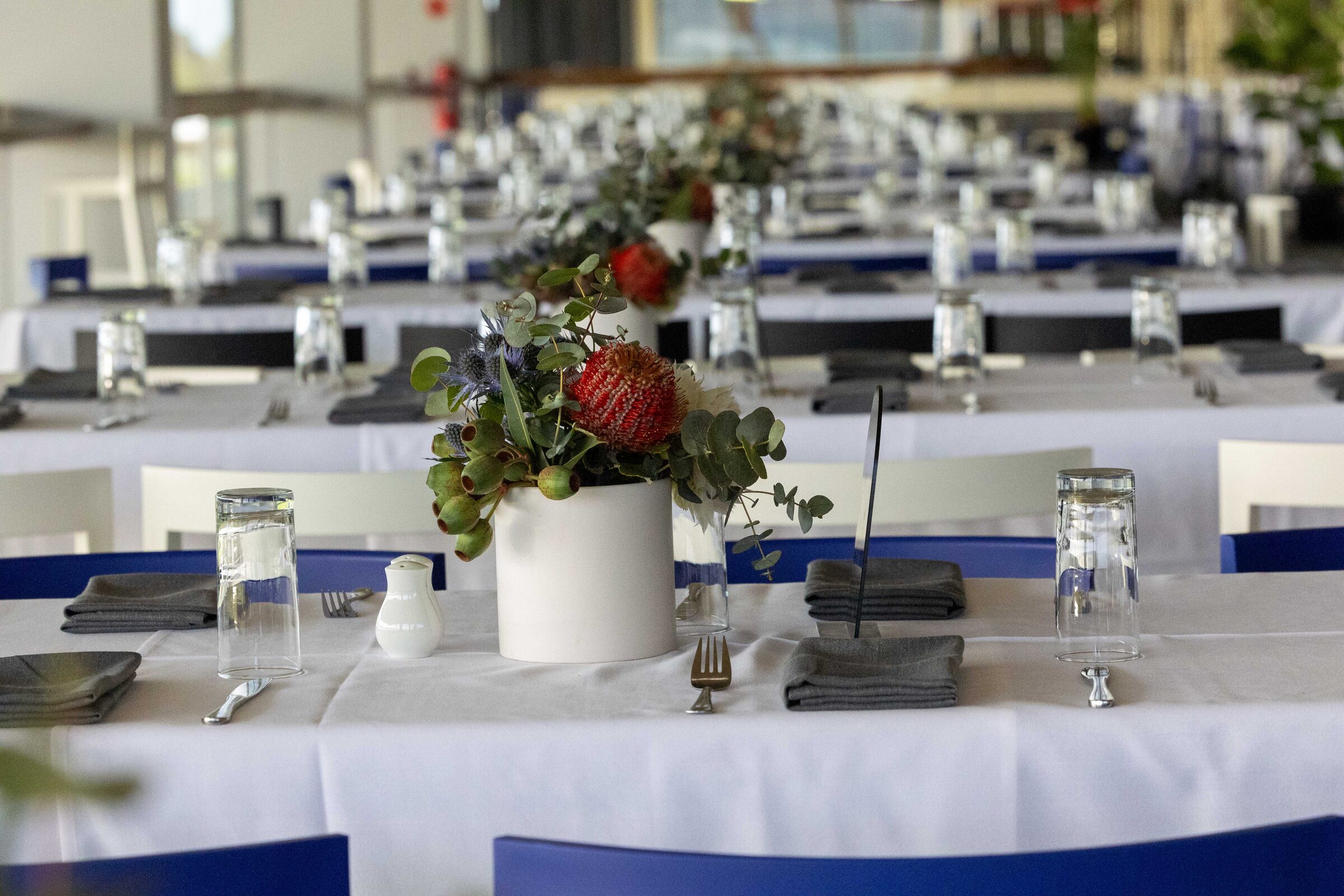
When you're putting fourteen staff or clients on a plane, the last thing you want is fourteen separate conversations about insurance, each stuck at a different stage of nearly-done. A group booking is usually handled as one conversation rather than fourteen little ones, which is generally the difference between a morning's work and a fortnight of chasing people down the corridor. So say the word group when you give us the dates, because it's one of the first things New Zealand Travel Brokers will want to know, and what any particular arrangement covers and how it's set up is in the wording, which is worth reading before anyone signs anything.

The date the world won't move
Some trips are built around a moment that happens once — a grand final, a festival, a race weekend, that concert someone in your house has been talking about since March — and the trouble with a dated ticket is that the world doesn't run it again for you. Everything else has to land on time around it, so the flights, the beds and the connections all matter more than they would on a lazy fortnight in the sun. It's the kind of trip people tend to get squared away long before they fly.
Whatever your trip looks like out of that lot, say so early. We'll put you in front of New Zealand Travel Brokers with a clear picture of what you're actually doing, and from there it's a matter of reading the wording and deciding what you want in place before you go.
When one trip turns into four
Bathurst in October, a cruise in February, and somebody's fiftieth on the Gold Coast in between. If that is roughly how your year goes, there is a version of this arranged around the whole twelve months rather than one departure at a time. It is called annual multi-trip, and we can ask for it alongside a single-trip quote so you get to see both.
What it is, and what we will not tell you
The name does most of the work, in that it is written around a year rather than around one departure and one return. Past that we are not going to characterise it for you, because what an annual policy is, what it is not, and every condition hanging off it all live in the insurer's own wording. That is the document that decides anything, so it is worth twenty minutes before you buy rather than after.
Have a proper count of your year
How many times are you actually leaving the country in the next twelve months? Count the trips you have booked and the ones you already know are coming, including the Supercars round you have not mentioned to anyone yet and the Test match quietly creeping into December. People tend to under-count out of politeness, and it does not help anybody.
We will ask for both, side by side
Say the word and we will request a single-trip quote and an annual multi-trip one together, so the two sit in front of you rather than in your head. Cover-More and Kiwi Holiday Insurance both offer annual multi-trip. Named alphabetically, with no ranking and no recommendation from us.
Same form. It just needs to know about February as well as October.
Three steps, and then it's done
None of this takes long, and none of it is the part of the trip you'll remember. It's worth doing properly all the same, because it's a small job now and it's the one people are glad they didn't leave until the week before. Here's how it goes from your end.
Start with the trip itself
Tell us where you're off to, when you're going and who's coming with you, and while you're at it, what you're planning to get up to once you're there. If it's a group or a company trip, say so, and if there's a cruise or a ski week or a motorbike in the picture, we want to know that too. Those are the details that change what you get shown.
Straight to the three insurers
We work with three: Allianz Partners, Cover-More and Kiwi Holiday Insurance, in alphabetical order, because that's the only order we'll ever put them in. Everything you've told us goes to all three. None of them is our favourite, and it isn't our place to tell you which one suits you. All we do is pass the trip on the way you've described it, so what they're looking at is your actual trip rather than a rounded-off version of it.
Read the wording, then choose
The wording is the document that decides everything, and it's also the one everybody skims. Don't skim it. Make a cup of tea, take your time with it and see whether it matches the trip you're actually taking. If something in there doesn't make sense, the insurer's team is the one who can answer it properly, so put the question to them before you decide.
Once you've read it and made your pick, that's the job done, and you can go back to thinking about the trip.
Our providers.
Listed alphabetically, with no ranking and no recommendation — the choice is yours. What each policy does and does not cover is set out in that insurer's own wording, which is the document that counts.
Single-trip and annual multi-trip travel insurance. Cover-More (NZ) Ltd.
Annual multi-trip availableTravel insurance for leisure, business and student travel. Allianz Partners New Zealand.
Single-trip and annual multi-trip travel insurance, underwritten by Southern Cross Benefits Limited trading as Southern Cross Travel Insurance.
Annual multi-trip availableWhat people actually ask us
These are the ones we get asked most, and they're all about our end of things. What a policy actually does is a question for the wording, which is the document worth sitting down with.
Do I have to get it through you?
Not at all. Plenty of people sort theirs out themselves and that's completely fine — most travellers end up with something in place one way or another, and how you get there is up to you. If you'd like us to point you through, we will, and if you've already got yours arranged, tell us who it's with and we'll note it against your booking so nobody's chasing you about it later.
When should I sort this out?
Earlier than you're probably planning to. Plenty of people look at it around the time they pay their deposit rather than in the week before they fly, because the months between booking and going are months like any others, and things happen in them that nobody plans for. Whether the timing makes any difference to a particular policy is a question for the wording and for the insurer's team, so it's worth asking them while you've still got plenty of time to.
How long before I hear back?
Usually the same business day, and the straightforward ones can be quicker than that. Group trips and anything with a few moving parts sometimes take a bit longer, because we are waiting on the insurers as well as on you. Either way you will hear it from us rather than be left wondering, and nothing that comes back asks you for money.
Do you need my medical history?
We don't, no. Anything medical goes to the insurer rather than through us, and they'll usually ask you directly for whatever they need as part of their own process. All we need is the shape of the trip: where you're going, when, and who's coming. If you'd rather not put health details in an email to us, that's a good instinct and you don't have to.
Can you do a whole group, or a company?
Yes, and it's one of the more common things we pass on. Corporate groups, club trips, a family of eleven heading to the islands — we can take the lot as one conversation at our end instead of eleven separate ones. Send us the names and a rough outline of what you're all doing and we'll do the running around, which is an evening or two you get back. What each insurer can do with a group like yours is a question for them and for their wording.
I think my credit card covers me?
You might well have something, and a fair few cards do come with travel benefits attached. The catch is that nobody ever knows the detail until they go looking, and the detail is where it all lives, so ring your bank and ask them to send you the actual wording. Then you'll know what you've really got, instead of what you've been assuming.
Anything about how we handle it, just ask us. Anything about what a policy actually does, the insurer's team is the one to put it to, and they'd far rather hear from you before you go than after.
Right, let's get this bit done
Fill in the form below with the trip as you're picturing it, and we'll pass it on from there. It isn't the part of the booking anyone daydreams about, but it's the one people tend to be glad they sorted when a day goes sideways somewhere overseas. What any particular policy does about a day like that is set out in its wording, and that's the part worth your time before you choose.
Ten minutes now, and then you're back to the good bit. It's the least fun step in the whole booking, and it's still the one that keeps the party going.
Over to you.
No payment, nothing locked in. Usually the same business day.
High Performance Travel arranges travel insurance through New Zealand Travel Brokers. We pass your details to the insurers we work with and send you their options — we do not advise on, recommend or rank policies, and we do not assess whether a policy suits your circumstances. What is and is not covered is set out in each insurer's own policy wording, which is the document that decides any claim. Please read it before you buy.